10 Must-Know Trends in Wholesale Intimate Apparel
The global intimate apparel market is evolving faster than ever. Changing consumer lifestyles, body-positive movements, e-commerce growth, and advances in materials are reshaping how brands design, source, and sell products. For retailers and distributors, staying ahead of these shifts is critical—especially in a competitive wholesale environment.
Below are ten must-know trends that are defining the future of wholesale intimate apparel and influencing purchasing decisions across markets.
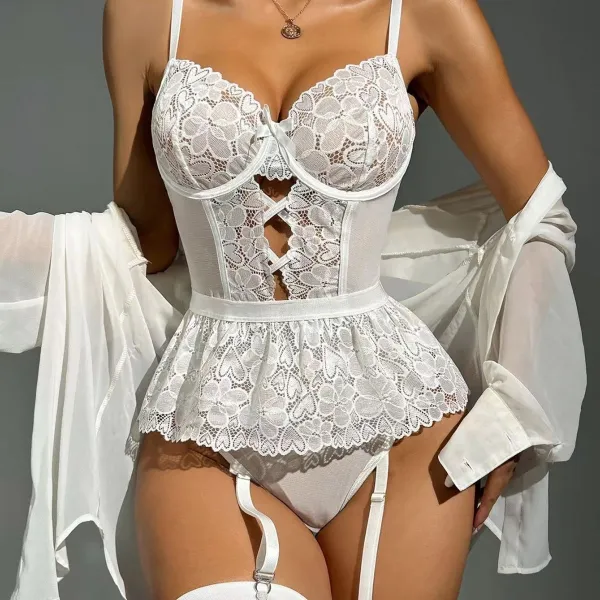
1. Comfort-First Design Is No Longer Optional
Comfort has moved from a “nice-to-have” feature to a core requirement. Consumers are prioritizing breathable fabrics, soft seams, wireless constructions, and flexible fits. This trend strongly affects wholesale lingerie, where buyers increasingly favor everyday styles that can transition seamlessly from work to leisure.
Materials like modal, bamboo blends, and lightweight microfiber are gaining traction, as they offer both softness and durability—key factors for wholesale buyers concerned with customer satisfaction and repeat purchases.
2. The Rise of Wholesale Sports Bras Beyond the Gym
Athleisure continues to blur the lines between activewear and underwear. Wholesale sports bras are no longer purchased only for workouts; they are now styled as everyday essentials. Retailers are looking for designs that combine support, style, and versatility.
Low-impact sports bras, longline silhouettes, and minimalist designs dominate bulk orders. Adjustable straps, removable padding, and inclusive sizing are especially attractive features in wholesale collections.
3. Inclusivity Drives Plus Size Lingerie Wholesale Growth
Inclusivity is not a trend—it’s an expectation. Demand for plus size lingerie wholesale has grown significantly as consumers seek brands that genuinely represent diverse body types.
Wholesale buyers are paying closer attention to grading quality, structural support, and flattering design in extended sizes. Successful collections avoid simply scaling up smaller patterns and instead focus on engineering garments specifically for fuller figures. Brands that invest here are rewarded with stronger loyalty and higher conversion rates.
4. Custom Lingerie Becomes a Competitive Advantage
Customization is transforming the wholesale landscape. From fabric selection and colorways to private labeling and packaging, custom lingerie allows retailers to differentiate themselves in crowded markets.
For wholesalers, offering low minimum order quantities (MOQs) for customization is a major selling point. Retailers want unique products that align with their brand identity without carrying excessive inventory risk. This trend is especially strong among online and boutique brands.
5. Shapewear Evolves Into Everyday Wear
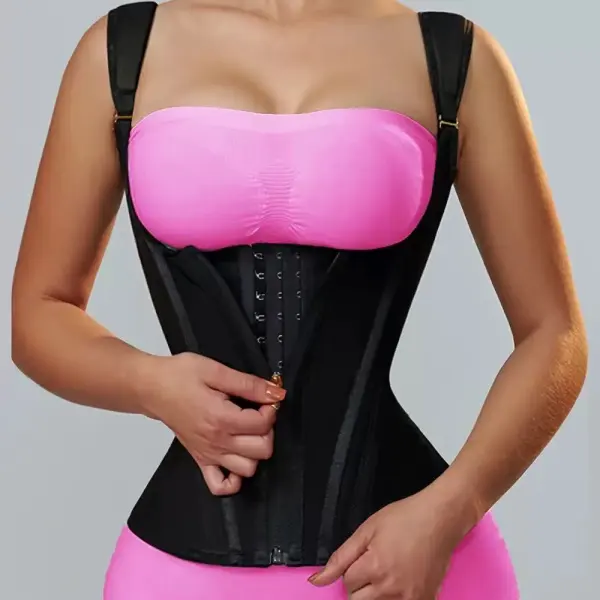
Once reserved for special occasions, shapewear is now an everyday category. Wholesale shapewear has expanded to include lightweight, breathable designs that focus on smoothing rather than extreme compression.
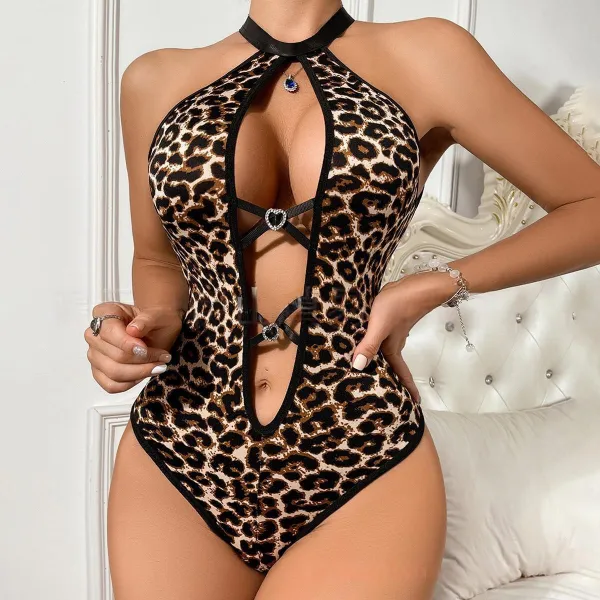
High-waisted briefs, shaping bodysuits, and seamless shorts are top sellers. Neutral tones remain popular, but there is increasing interest in fashion colors and inclusive shade ranges to match different skin tones.
6. Sustainability Influences Wholesale Purchasing Decisions
Sustainability is increasingly influencing B2B buying behavior. Retailers are asking more questions about sourcing, production ethics, and environmental impact.
Eco-friendly fabrics, reduced packaging, and responsible manufacturing practices are becoming selling points in wholesale underwear and lingerie collections. While price sensitivity still matters, transparency and sustainability credentials can tip purchasing decisions in favor of one supplier over another.
7. Seamless and Invisible Underwear Leads Volume Sales
Seamless styles continue to dominate wholesale underwear orders due to their versatility under modern clothing. Laser-cut edges, bonded seams, and ultra-thin fabrics create a barely-there feel that consumers love.
These designs have low return rates and high repeat purchase potential, making them especially attractive to wholesale buyers focused on volume and efficiency.
8. Fashion-Forward Lingerie Gains Wholesale Momentum
Lingerie is no longer hidden—it’s styled. Bralettes, corset-inspired tops, and lace bodysuits are being worn as outerwear or layered pieces.
This shift has increased demand for fashion-driven wholesale lingerie that balances aesthetics with wearability. Trend-led colors, delicate lace, and modern silhouettes help retailers tap into younger, style-conscious demographics.
9. Digital-First Brands Shape Wholesale Expectations
The growth of direct-to-consumer brands has changed what retailers expect from wholesalers. Fast sampling, consistent quality, and reliable restocking are essential.
Wholesale partners that provide strong product imagery, size guides, and marketing support have an edge. Flexibility and speed are just as important as price in today’s market.
10. Data-Driven Buying Refines Product Selection
Retailers are increasingly using sales data and customer feedback to guide wholesale purchases. This means proven basics often outperform experimental designs unless there is a clear trend signal.
Categories like wholesale sports bras, wholesale shapewear, and core wholesale underwear benefit most from this data-driven approach, as they combine consistent demand with opportunities for incremental innovation.
The wholesale intimate apparel industry is entering a more strategic, consumer-focused era. Success now depends on understanding end-user expectations, embracing inclusivity, and offering flexibility through customization and thoughtful design.
Whether you are sourcing wholesale lingerie, expanding into plus size lingerie wholesale, or exploring opportunities in custom lingerie, staying aligned with these trends will help you build stronger partnerships and more resilient product lines in a rapidly changing global market.


Comments
Post a Comment