Wholesale Lingerie and Sleepwear: Proven Ways for Retailers to Reduce Costs and Increase Revenue
In the dynamic and highly competitive intimate apparel market, retail success is driven by two powerful levers: cost reduction and revenue maximization. For boutique owners, e-commerce entrepreneurs, and growing retail brands, navigating the delicate balance between overhead expenses and top-line sales is the ultimate determinant of long-term survival. In an industry where fit, fabric quality, and precise sizing directly dictate whether an item sells out or becomes an unreturnable loss, your supply chain strategy is either your greatest profit catalyst or your most severe financial bottleneck.

As the retail industry progresses through 2026, profit margins face relentless pressure from rising operational costs, inventory holding expenses, and price-war volatility. To protect and expand your margins, you must move away from transactional, low-quality commodity reselling and instead forge strategic partnerships with elite
1. The True Cost of Sourcing: Beyond the Initial Unit Price
When evaluating a wholesale supplier, the initial instinct for many new retailers is to look exclusively at the unit price. The calculation often stops at finding the absolute lowest cost per item. However, experienced entrepreneurs know that a low unit price is entirely meaningless if the product suffers from poor craftsmanship, high return rates, or prolonged shipping delays.
True margin optimization requires analyzing the Total Cost of Ownership (TCO):
Inventory Holding Costs: Suppliers who enforce excessively high Minimum Order Quantities (MOQs) force you to tie up vital working capital in slow-moving stock.
Return Logistics and Hygiene Regulations: Because intimate apparel faces strict hygiene laws, returned items often cannot be resold. A supplier whose products suffer from inconsistent sizing will inadvertently hemorrhage your profits through unrecoverable returns.
Replenishment Velocity: A cheap supplier who takes months to restock leaves you out of stock during peak demand, forfeiting valuable revenue.
By partnering with manufacturers who prioritize structural integrity and rigorous quality control, you eliminate these hidden profit leaks before they start.
2. Cost Reduction Through Core Sourcing and Volume Economics
Reducing costs without sacrificing quality begins with mastering your foundational inventory. Every profitable retail catalog must be anchored by a reliable foundation of daily essentials. These are the staple items that consumers purchase consistently throughout the year, independent of fleeting fashion trends or seasonal shifts.
The Economics of Bulk Sourcing
When sourcing foundational items such as daily support garments, volume economics play a critical role. By procuring
Maximizing Basket Size with Low-Friction Add-Ons
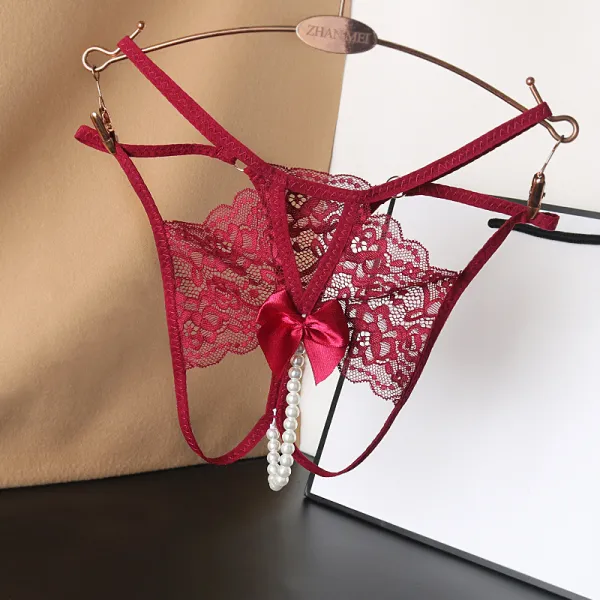
Furthermore, pairing these foundational garments with high-turnover daily wear items—such as sourcing
3. Revenue Expansion: Tapping into High-Value and Inclusive Categories
While cost reduction protects your baseline, revenue growth expands your ceiling. Retailers who limit their catalogs to standard sizes and basic silhouettes miss out on some of the most lucrative and loyal segments of the intimate apparel market.
The Shapewear Market Opportunity
The shapewear market represents a powerful margin-expander when approached with strategic clarity. Consumers frequently seek functional smoothing and sculpting garments for special events, social gatherings, and professional wear. By integrating
Capturing the Plus-Size Demand
Simultaneously, addressing the severe underserved demand in the plus-size market is one of the most reliable ways to secure unwavering brand loyalty and high-margin revenue. Traditional mass-market retailers often treat larger sizing as an afterthought, utilizing poor grading techniques that compromise comfort and support. By curating a dedicated
4. Commanding Premium Revenue Through Personalization
In an era dominated by automated mass production, consumers increasingly crave individuality. Competing purely on price is a dangerous race to the bottom that ultimately erodes brand equity. To command premium retail pricing—often 20% to 30% higher than standard market averages—retailers must offer products that cannot be replicated by generic competitors.
The integration of bespoke solutions has become increasingly accessible for independent and mid-sized retailers through advanced supply chain networks. Offering
5. Operational Excellence: Inventory Discipline and Data-Driven Buying
Cost reduction and revenue generation are ultimately governed by how efficiently you manage your inventory lifecycle. Even the highest-margin product will hemorrhage profits if it sits unsold in a warehouse for months or gets bogged down by excessive return logistics.
Embrace Agile Replenishment: Partner with suppliers who offer rapid fulfillment and low minimum order quantities (MOQs). This prevents cash flow lockup and allows you to test new trends before committing large amounts of capital.
Treat Returns as Data: Analyze return reasons meticulously. If a specific SKU generates high fit-related returns, collaborate with your manufacturing partners to adjust sizing charts or refine structural grading.
Implement the "Core + Trend" Model: Maintain steady stock on your foundational best-sellers while utilizing small-batch, limited-run orders for seasonal trends and aesthetic drops to drive urgency and excitement.

6. Building a Sustainable Future Through Smart Sourcing
Maximizing profitability in the wholesale lingerie and sleepwear sector requires a fundamental shift from reactive purchasing to proactive, strategic sourcing. By building your inventory upon a reliable foundation of core essentials, expanding thoughtfully into shapewear and inclusive sizing, and elevating your brand value through customization and personalization, you create an unshakeable competitive advantage.
The modern retail landscape belongs to those who view their supply chain as an active partner in growth rather than a passive warehouse. Audit your current inventory strategies, demand precision and agility from your manufacturing partners, and position your brand as a destination for quality, comfort, and individuality. Your bottom line will reflect the power of intentional, intelligent sourcing.


Comments
Post a Comment